A year and a half in. When I wrote the PhD decision post, I set four goals:
- do it in 2 years and be prepared
- make as many connections as I can
- maximize impact on the community: make something useful
- enjoy it as much as possible
Time to check in. 🧬
The environment
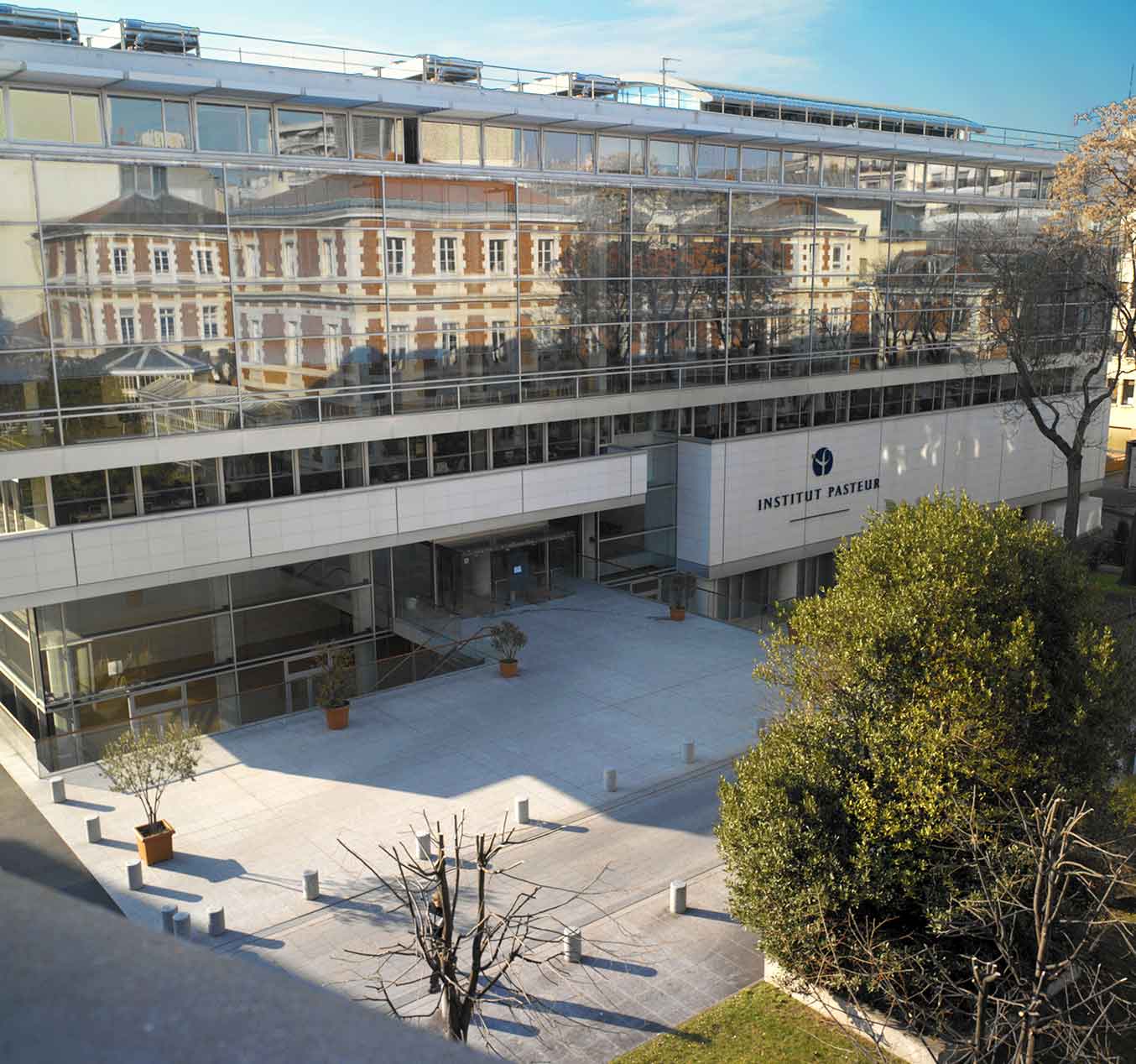
My PhD is split between Institut Pasteur and ENS, which are very different places.
At Pasteur, I work with Laura Cantini. Pasteur is serious science, long corridors, old campus. Laura runs a small group at the intersection of ML and genomics. She pushes hard on rigor — every claim grounded, every figure telling a clear story. I’ve become a better scientist working with her.
At ENS, Gabriel Peyré does applied math — optimal transport, signal processing, things I’d admired from afar for a while. Having two PIs means two sets of expectations, two lab cultures, sometimes two conflicting intuitions about what matters. It took months to find a rhythm. What works: being very explicit about what I’m doing and where I’m stuck. Over-communicating rather than assuming.
The admin side is… well, French public research bureaucracy across two institutions. I probably spent two full working weeks last year on forms and approvals alone.
Having two advisors from such different backgrounds has been great, though. Academia runs on different incentives than industry — ideas and papers instead of delivery milestones and quarterly revenue. That took some adjusting.
The successes
I’m proud of what got done this year. 🙌
The main thing is scPRINT — a large foundation model for single-cell RNA sequencing. Getting it to work, getting it published, seeing people actually use it. I also shipped three more open-source tools around scPRINT for benchmarking, data processing, and evaluation.
I went to over 10 conferences and events across Europe. 4 oral presentations (still nerve-wracking), 3 poster sessions. I actually like poster sessions — the conversations are real, people stop because they want to, and you end up understanding your own work better by explaining it 30 times.
I’ve also met researchers I’ll be working with for years. Building that network has been one of the best parts of the PhD so far.
The difficulties
Some things were harder than expected.
Switching projects completely when I started — I came from industry work on cell atlases and drug discovery, and going back to a more theoretical research mode meant resetting my idea of what “progress” looks like.
scPRINT opened more questions than it answered. Every experiment surfaced something new to investigate, and learning to say “this is out of scope for now” without feeling like I was cutting corners took discipline.
The isolation is real. You’re responsible for your own direction in a way that’s different from any job I’ve had. Some weeks nobody is telling you whether you’re on the right track. You have to figure that out yourself.
The good and the bad of academia
I see a lot of people either romanticizing academia or being cynical about it. I’ll try to be straight.
The freedom is real. No product manager asking if your idea is “strategically aligned”. I can spend two weeks on a mathematical question just because it might matter. I can collaborate with anyone across institutions and countries. The people I’ve met are great — generous with time and ideas.
But the hard stuff is also real. The bureaucracy I already mentioned. The lack of structure (great when you’re focused, bad when you’re stuck). Being a solo contributor on one main project for three years is a very different rhythm than industry. When you’re stuck, there’s no teammate to take over.
What is next?
Still aiming to finish in about 2 years from start, so the clock is ticking. 🚀
Looking at those 4 original goals: I think I’m on track. I shipped something useful, I made connections, I showed up at conferences, and I’ve mostly enjoyed it.
It’s getting harder though. The deeper you go into a research problem, the more you see what’s left. The project keeps growing in scope while the deadline doesn’t move.
More to come. 👀
Leave a comment